Fire Safety Training Basics: Mastering Essential Skills for Everyone

Fire safety is something we often overlook until it’s too late. But imagine having the confidence and know-how to act swiftly and effectively if a fire breaks out. That’s exactly why I’m excited to share everything you need to know about fire safety training basics. Whether you’re an individual, part of a family, or running a business, these skills can be life-saving. Plus, they’re easier to learn than you might think!
Let’s dive into the world of fire safety and explore how you can become a hero in your own space.
Why Fire Safety Training Basics Matter
Fire can spread faster than you expect. Seconds count, and knowing what to do can make all the difference. Fire safety training basics equip you with the knowledge to prevent fires and respond calmly when they happen.
Think about it: a small spark in your kitchen or office could turn into a disaster without the right action. Training helps you spot hazards, use fire extinguishers correctly, and evacuate safely. It’s not just about protecting property—it’s about saving lives.
Plus, many workplaces and homes in South Africa are now required to have trained individuals on site. This means getting certified isn’t just smart—it’s essential.
What is Included in the Basic Firefighting Training?
When you sign up for basic fire fighting training, you’ll cover a range of practical skills and knowledge areas. Here’s what you can expect:
Understanding Fire and Its Behaviour
Learn the fire triangle (heat, fuel, oxygen) and how fires start and spread. This knowledge helps you prevent fires before they begin.
Types of Fires and Extinguishers
Not all fires are the same. You’ll discover the different classes of fires (A, B, C, D, and electrical) and which extinguishers to use for each.
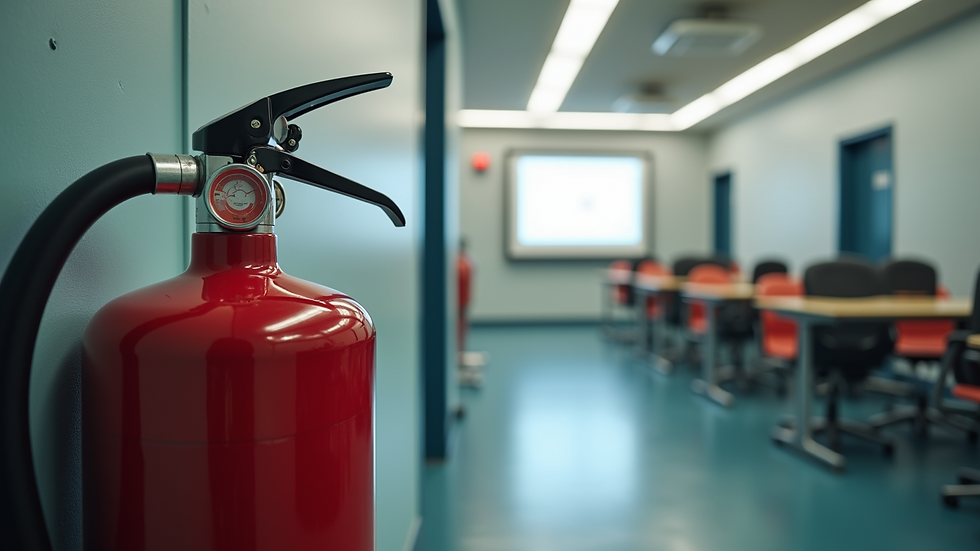
Using Fire Extinguishers
Hands-on practice with extinguishers is a highlight. You’ll learn the PASS technique: Pull, Aim, Squeeze, and Sweep.
Evacuation Procedures
Knowing how to evacuate safely is crucial. Training covers escape routes, assembly points, and how to assist others.
Fire Prevention Tips
Simple habits can reduce fire risks. You’ll get practical advice on maintaining electrical equipment, safe storage of flammables, and more.
Emergency Response and Communication
Learn how to alert emergency services and communicate effectively during a fire incident.
This training is designed to be interactive and engaging, so you’re not just listening—you’re doing!
How Fire Safety Training Basics Empower You
One of the best things about fire safety training basics is how empowering it feels. You’re not just a bystander anymore—you become an active protector of your environment.
Imagine this: a small fire breaks out in your kitchen. Instead of panicking, you grab the extinguisher, remember the PASS method, and put it out quickly. Or, if the fire is too big, you know exactly how to evacuate and call for help without wasting time.
This confidence can reduce injuries, save property, and even save lives. Plus, it builds a safety culture at home or work, encouraging everyone to be vigilant and prepared.
Practical Tips to Stay Fire Safe Every Day
Training is fantastic, but what about daily habits? Here are some easy, practical tips to keep fire risks low:
Check Smoke Alarms Regularly
Test them monthly and replace batteries yearly.
Keep Flammable Items Away from Heat Sources
This includes curtains, paper, and cleaning products.
Don’t Overload Electrical Outlets
Use power strips with surge protectors and unplug devices when not in use.
Store Flammable Liquids Safely
Keep them in proper containers and away from ignition sources.
Have a Fire Escape Plan
Practice it with your family or colleagues so everyone knows what to do.
Keep Fire Extinguishers Accessible
Know where they are and how to use them.
These small steps, combined with your training, create a safer environment for everyone.

Taking the Next Step: Getting Certified and Staying Prepared
If you’re ready to take your fire safety knowledge to the next level, consider enrolling in a certified course like the one offered by Confido Training Centre. Their basic fire fighting training is designed to be accessible, practical, and accredited—perfect for individuals, families, and businesses in South Africa.
Certification not only boosts your confidence but also enhances your professional profile. Many employers value employees who are trained in health and safety, and having this certification can open doors to new opportunities.
Remember, fire safety is an ongoing journey. Stay updated with refresher courses, keep your equipment in check, and always be ready to act.
Your Role in Creating a Safer Community
Fire safety isn’t just a personal responsibility—it’s a community effort. When you’re trained and prepared, you can help others stay safe too. Share your knowledge with friends, family, and colleagues. Encourage workplaces to invest in training and proper safety equipment.
Together, we can build safer homes, offices, and neighbourhoods. It all starts with learning the basics and taking action.
So, are you ready to become a fire safety champion? It’s easier than you think, and the peace of mind you gain is priceless. Let’s make safety a priority—because every second counts when it comes to fire.
Feel free to explore more about fire safety and training options at Confido Training Centre. Your journey to mastering essential fire safety skills starts today!


Comments